
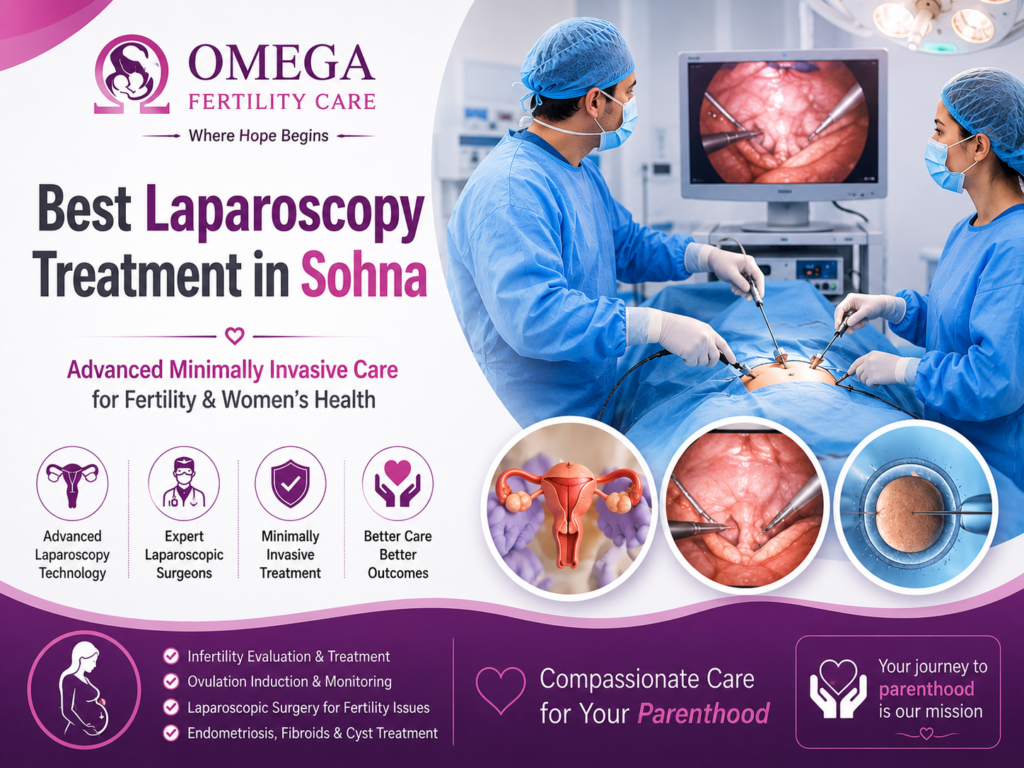
Modern medicine has transformed the way surgical procedures are performed, offering patients safer, less invasive, and more effective treatment options. Among these advancements, laparoscopy has emerged as one of the most significant breakthroughs in surgical care. The demand for the Best Laparoscopy Treatment in Sohna has increased as patients seek advanced solutions that ensure faster recovery, reduced pain, and minimal scarring compared to traditional open surgery.
If you are looking for the Best Laparoscopy Treatment in Sohna, it is important to understand how this advanced surgical technique works and why it has become the preferred choice for both doctors and patients. With state-of-the-art technology, experienced surgeons, and patient-centered care, laparoscopic surgery has revolutionized healthcare and improved surgical outcomes.
This comprehensive guide explores everything you need to know about laparoscopic treatment, its benefits, procedures, recovery process, and why choosing the Best Laparoscopy Treatment in Sohna can make a significant difference in your health journey.
Understanding Laparoscopic Surgery
What is Laparoscopy?
Laparoscopy is a minimally invasive surgical procedure that allows surgeons to examine and operate inside the abdomen or pelvis through small incisions. Instead of making a large cut, surgeons insert a thin instrument called a laparoscope equipped with a camera and light source.
The camera transmits high-definition images to a monitor, enabling surgeons to perform procedures with remarkable precision. This technique is widely used in gynecological surgery, gastrointestinal surgery, gallbladder removal, hernia repair, and many other medical conditions.
The growing demand for the Best Laparoscopy Treatment in Sohna reflects the increasing awareness of the advantages associated with minimally invasive surgery.
Why Laparoscopy is Preferred Over Traditional Surgery
Minimally Invasive Approach
Laparoscopy involves small incisions instead of large cuts used in traditional surgery. This significantly reduces tissue damage, making the procedure safer and less traumatic for the body.
Faster Recovery
Patients who undergo laparoscopic surgery typically heal much quicker and can return to their daily activities sooner compared to open surgery.
Reduced Pain and Discomfort
Because of smaller incisions, patients experience less postoperative pain and usually require fewer pain medications.
Minimal Scarring
Laparoscopy leaves only tiny scars, offering better cosmetic results compared to the larger scars from traditional surgery.
Lower Risk of Infection
With minimal exposure of internal organs, the chances of infection and surgical complications are considerably reduced.
Applications of Laparoscopy in Gynecological Surgery
Treatment of Ovarian Cysts
Laparoscopy enables precise removal of ovarian cysts while preserving healthy ovarian tissue, helping reduce pain and hormonal disturbances.
Management of Endometriosis
This technique is highly effective in diagnosing and treating endometriosis, relieving pain and improving fertility outcomes.
Fibroid Removal
Laparoscopic myomectomy allows safe removal of uterine fibroids with minimal tissue damage, reducing symptoms like heavy bleeding and pelvic pain.
Hysterectomy Procedures
Many hysterectomies are performed laparoscopically, ensuring quicker recovery, less discomfort, and shorter hospital stays.
Ectopic Pregnancy Treatment
Laparoscopy offers a safe and minimally invasive approach to treat ectopic pregnancies while protecting future fertility as much as possible.
General Surgery Procedures Performed Using Laparoscopy
Gallbladder Removal
Laparoscopic cholecystectomy is one of the most common minimally invasive surgeries used to treat gallstones and gallbladder disorders. It involves small incisions, leading to less pain, minimal scarring, and a faster return to normal life compared to traditional open surgery.
Hernia Repair
Laparoscopic hernia repair is highly effective in strengthening weakened abdominal walls. This technique reduces postoperative discomfort, lowers the risk of complications, and allows patients to recover more quickly with minimal disruption to daily activities.
Appendix Removal
Laparoscopic appendectomy is widely used to treat acute appendicitis. It ensures precise removal of the infected appendix, shorter hospital stays, reduced pain, and a quicker recovery period, making it a preferred choice over open surgery.
Gastrointestinal Procedures
Advanced laparoscopic techniques are used to diagnose and treat a variety of stomach and intestinal conditions. These procedures offer better visualization for surgeons, improved accuracy, and significantly reduced recovery times for patients.
Colorectal Surgery
Laparoscopy is increasingly used for colorectal procedures, including the treatment of polyps, tumors, and certain cancers. It provides excellent surgical outcomes with minimal blood loss, reduced complications, and faster healing.
Advanced Technology in Modern Laparoscopy
High-Definition Imaging Systems
Modern laparoscopic procedures utilize high-definition cameras and imaging systems that provide surgeons with exceptionally clear and magnified views of internal organs. This enhanced visualization allows for better identification of tissues, improved accuracy during surgery, and more precise decision-making, ultimately leading to safer and more effective outcomes.
Enhanced Surgical Precision
With the help of advanced laparoscopic instruments and specialized tools, surgeons can perform highly delicate procedures with remarkable control and stability. These instruments enable fine movements within small spaces, reducing the risk of damage to surrounding tissues and ensuring optimal surgical precision even in complex cases.
Improved Patient Safety
Technological advancements in laparoscopy have significantly increased patient safety by minimizing surgical risks and complications. Features such as real-time monitoring, improved sterilization techniques, and refined surgical methods contribute to lower infection rates, reduced blood loss, and faster healing, ensuring a smoother overall treatment experience.
Better Diagnostic Capabilities
Laparoscopy not only serves as a treatment method but also as a powerful diagnostic tool. It allows doctors to directly examine internal organs and detect conditions that may not be visible through traditional imaging techniques like ultrasound or CT scans. This leads to early and accurate diagnosis, enabling timely and effective treatment.
Conditions Commonly Treated Through Laparoscopy
Gynecological Conditions
- Endometriosis
- Ovarian cysts
- Fibroids
- Pelvic inflammatory disease
- Ectopic pregnancy
General Surgical Conditions
- Gallstones
- Hernias
- Appendicitis
- Gastrointestinal disorders
- Colorectal diseases
Benefits of Choosing the Best Laparoscopy Treatment in Sohna
Expert Surgical Care
Highly trained surgeons utilize advanced techniques to ensure optimal outcomes.
Comprehensive Evaluation
Patients receive thorough assessments before surgery to determine the most suitable treatment approach.
Personalized Treatment Plans
Every patient is unique, and treatment plans are customized according to individual health requirements.
Modern Infrastructure
State-of-the-art operation theaters and advanced medical equipment support successful procedures.
Focus on Patient Comfort
From consultation to recovery, patient comfort and safety remain top priorities.
Preparing for Laparoscopic Surgery
Initial Consultation
Your surgeon will review your medical history, symptoms, and diagnostic reports.
Diagnostic Testing
Blood tests, imaging studies, and other evaluations may be required before surgery.
Medication Review
Certain medications may need adjustment before the procedure.
Fasting Guidelines
Patients are usually instructed not to eat or drink for several hours before surgery.
Understanding the Procedure
Knowing what to expect can reduce anxiety and help ensure a smooth surgical experience.
What Happens During Laparoscopic Surgery?
The procedure typically involves:
- Administration of anesthesia.
- Creation of small incisions.
- Insertion of the laparoscope.
- Examination of internal organs.
- Performance of the required surgical procedure.
- Closure of incisions with minimal sutures.
Most laparoscopic surgeries are completed efficiently while maintaining high standards of safety.
Recovery After Laparoscopic Surgery
Short Hospital Stay
Many patients return home within 24 hours, depending on the procedure.
Quick Return to Daily Activities
Recovery is generally faster than traditional surgery.
Postoperative Care
Following your surgeon’s instructions helps ensure successful healing.
Follow-Up Appointments
Regular follow-up visits allow doctors to monitor recovery and address any concerns.
Patients who undergo the Best Laparoscopy Treatment in Sohna often experience smooth and comfortable recoveries.
Choosing the Right Laparoscopic Surgeon
When selecting a laparoscopic specialist, consider:
- Experience and expertise
- Advanced surgical training
- Patient reviews and testimonials
- Modern surgical facilities
- Comprehensive patient support
Choosing the right surgeon plays a crucial role in achieving successful treatment outcomes.
Future of Laparoscopic Surgery
The future of laparoscopy continues to evolve with innovations such as robotic-assisted surgery, enhanced imaging systems, and artificial intelligence-driven surgical planning. These advancements are expected to further improve precision, safety, and patient satisfaction.
As healthcare technology progresses, the Best Laparoscopy Treatment in Sohna will continue to offer cutting-edge solutions that meet the highest standards of medical excellence.
Conclusion
Laparoscopic surgery has transformed the landscape of gynecological and general surgical care. By offering minimally invasive treatment options, faster recovery, reduced pain, and excellent surgical outcomes, it has become the preferred choice for many patients.
Whether you require treatment for ovarian cysts, endometriosis, gallstones, hernias, or other medical conditions, choosing the Best Laparoscopy Treatment in Sohna ensures access to advanced technology, experienced surgeons, and compassionate care. With a strong focus on safety, precision, and patient well-being, laparoscopic surgery continues to improve lives and deliver outstanding healthcare results.
Frequently Asked Questions (FAQs)
1. What is laparoscopic surgery?
Laparoscopic surgery is a minimally invasive procedure performed through small incisions using a camera-equipped instrument called a laparoscope.
2. Is laparoscopic surgery safe?
Yes, laparoscopic surgery is generally safe when performed by experienced surgeons using advanced medical equipment.
3. How long does recovery take after laparoscopic surgery?
Most patients recover faster than with traditional surgery and can resume normal activities within a few days to a few weeks.
4. Does laparoscopic surgery leave scars?
Only very small scars remain because the procedure requires tiny incisions.
5. Can laparoscopy be used for gynecological conditions?
Yes, laparoscopy is commonly used to treat ovarian cysts, fibroids, endometriosis, and other gynecological disorders.
6. Is laparoscopy painful?
Patients may experience mild discomfort after surgery, but pain is usually much less than with open surgery.
7. How long is the hospital stay?
Many patients are discharged within 24 hours, depending on the procedure and overall health condition.
8. What conditions can be treated through laparoscopy?
Conditions such as gallstones, hernias, appendicitis, ovarian cysts, fibroids, and endometriosis can be treated laparoscopically.
9. Why choose the Best Laparoscopy Treatment in Sohna?
Patients benefit from experienced surgeons, advanced technology, personalized care, and faster recovery outcomes.
10. Who is a suitable candidate for laparoscopic surgery?
Most patients requiring gynecological or general surgical procedures may be suitable candidates, depending on their medical condition and overall health.