
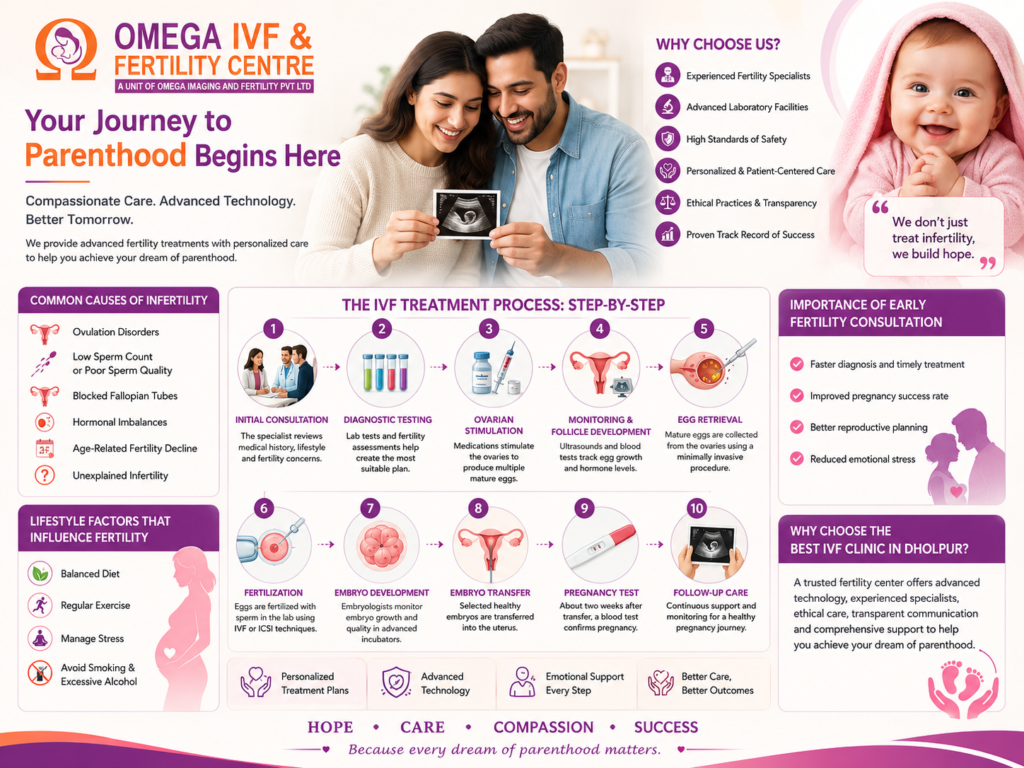
For couples searching for the Best IVF Clinic in Dholpur, the journey to parenthood can become a hopeful and rewarding experience with the right fertility care. Parenthood is one of life’s most cherished milestones, but fertility challenges can create emotional, physical, and psychological stress for many couples. Fortunately, advancements in reproductive medicine have revolutionized infertility treatment, offering effective solutions and renewed hope to individuals who dream of starting or expanding their families.
Today, advanced fertility treatments combined with compassionate patient care provide a strong foundation for successful outcomes. Modern technologies, experienced fertility specialists, and personalized treatment plans help address a wide range of fertility concerns. By choosing a trusted fertility center, couples can benefit from expert guidance, state-of-the-art facilities, and continuous support throughout their reproductive journey. This combination of medical excellence and compassionate care empowers patients to move forward with confidence, bringing them closer to achieving their dream of parenthood.
If you want to rank for the keyword “Best IVF Clinic in Dholpur”, your article should not only explain fertility treatments but also educate readers, build trust, and answer all common patient concerns. Below is a professionally expanded SEO-friendly version with detailed subheadings and additional FAQs.
Understanding Fertility Challenges
Infertility is a medical condition that affects millions of couples worldwide and can impact both men and women equally. It is generally defined as the inability to achieve pregnancy after one year of regular, unprotected intercourse. For couples above the age of 35, fertility evaluation is often recommended after six months of trying to conceive.
The emotional impact of infertility can be significant. Many couples experience frustration, stress, anxiety, and uncertainty while searching for answers. Fortunately, advances in reproductive medicine have made it possible for many individuals and couples to overcome fertility challenges and successfully achieve parenthood.
Early diagnosis plays a crucial role in identifying fertility issues and improving treatment outcomes. Consulting fertility specialists at the right time allows patients to receive accurate assessments and personalized treatment recommendations.
Common Causes of Infertility
Infertility can affect both men and women and may result from various medical, genetic, hormonal, or lifestyle-related factors. Understanding the underlying cause is essential for selecting the most effective treatment approach. Fertility specialists at the Best IVF Clinic in Dholpur use advanced diagnostic techniques to identify fertility issues accurately and recommend personalized treatment plans that improve the chances of conception.
Ovulation Disorders
Ovulation disorders are among the most common causes of female infertility. Conditions such as Polycystic Ovary Syndrome (PCOS), thyroid disorders, and hormonal imbalances can interfere with the release of eggs from the ovaries. Without regular ovulation, conception becomes difficult. Early diagnosis and appropriate treatment can significantly improve reproductive outcomes.
Low Sperm Count or Poor Sperm Quality
Male fertility issues account for a significant percentage of infertility cases. Low sperm count, poor sperm motility, abnormal sperm shape, or genetic factors can reduce the likelihood of successful fertilization. At the Best IVF Clinic in Dholpur, advanced male fertility assessments help identify these challenges and determine the most suitable treatment options.
Blocked Fallopian Tubes
The fallopian tubes serve as the pathway through which eggs travel from the ovaries to the uterus. Damage or blockage caused by infections, previous surgeries, or endometriosis may prevent sperm and egg from meeting. Depending on the severity of the blockage, fertility specialists may recommend IVF or other assisted reproductive treatments.
Hormonal Imbalances
Reproductive hormones regulate ovulation, sperm production, and pregnancy. Any disruption in hormonal balance can affect fertility and overall reproductive health. Comprehensive hormone testing helps fertility specialists develop targeted treatment strategies.
Age-Related Fertility Decline
As women age, both the quantity and quality of eggs decrease naturally. Men may also experience age-related fertility changes that can affect conception success. Seeking timely consultation at the Best IVF Clinic in Dholpur can help couples understand their fertility potential and explore appropriate treatment options before fertility declines further.
Unexplained Infertility
In some cases, fertility tests reveal no obvious cause despite difficulty conceiving. This condition is known as unexplained infertility and may still respond well to fertility treatment. Advanced reproductive technologies and personalized care plans can often help couples achieve successful pregnancies even when a specific cause cannot be identified.
nfertility and may still respond well to fertility treatment.
Why Compassion Matters in Fertility Treatment
Fertility treatment involves much more than medical procedures and laboratory techniques. It is a deeply personal journey that often requires emotional resilience and ongoing support.
Couples facing fertility challenges need a healthcare environment where they feel comfortable discussing their concerns and asking questions. Compassionate fertility care helps reduce emotional stress while improving patient confidence throughout treatment.
Emotional Support for Couples
Infertility can create emotional pressure, affecting relationships, mental health, and self-confidence. Many patients experience feelings of disappointment after unsuccessful attempts to conceive.
A supportive fertility team helps patients manage expectations, cope with challenges, and remain optimistic during treatment. Counseling services, patient education, and regular communication contribute significantly to emotional well-being.
Personalized Treatment Plans
Every patient’s fertility situation is unique. Factors such as age, medical history, reproductive health, and treatment goals must be considered before creating a treatment strategy.
Personalized treatment plans help maximize success rates by ensuring patients receive care specifically tailored to their needs.
Transparent Communication
Patients should fully understand every aspect of their treatment journey, including:
- Available treatment options
- Expected success rates
- Potential risks and complications
- Financial considerations
- Timeline of treatment
Transparent communication builds trust and enables patients to make informed decisions.
The Role of Advanced Fertility Technology
Modern fertility medicine has revolutionized reproductive healthcare. Advanced technologies now provide solutions for a wide range of fertility problems that were once considered difficult to treat.
These innovations improve diagnostic accuracy, enhance embryo development, and increase the chances of achieving a healthy pregnancy.
Key Technologies Used in Fertility Care
In Vitro Fertilization (IVF)
IVF is one of the most effective fertility treatments available today. During IVF, eggs are retrieved from the ovaries and fertilized with sperm in a specialized laboratory. Healthy embryos are then transferred into the uterus.
Benefits of IVF include:
- Higher pregnancy success rates
- Treatment for multiple infertility conditions
- Advanced embryo selection
- Greater control over fertilization
Intrauterine Insemination (IUI)
IUI involves placing specially prepared sperm directly into the uterus during ovulation. This procedure improves the chances of sperm reaching the egg and is often recommended for mild fertility issues.
Intracytoplasmic Sperm Injection (ICSI)
ICSI is an advanced IVF technique commonly used for severe male infertility. A single healthy sperm is carefully injected into an egg to achieve fertilization.
Embryo Freezing (Cryopreservation)
Cryopreservation allows embryos to be frozen and stored for future use. This option is beneficial for patients wishing to preserve fertility or undergo additional IVF attempts later.
Blastocyst Culture
Blastocyst culture enables embryos to develop for several days before transfer, allowing specialists to select the strongest embryos for implantation.
Genetic Testing of Embryos
Advanced genetic screening helps identify chromosomal abnormalities, improving embryo selection and reducing the risk of miscarriage.
Benefits of Choosing Advanced Fertility Solutions
Modern fertility centers combine medical expertise with advanced reproductive technologies to achieve better patient outcomes.
Improved Success Rates
State-of-the-art laboratory procedures improve fertilization, embryo growth, and implantation success.
Better Diagnosis
Advanced fertility testing allows specialists to identify fertility issues quickly and accurately.
Customized Treatment Approaches
Every treatment plan is designed around the patient’s unique reproductive needs.
Enhanced Patient Experience
Modern clinics focus on patient comfort, education, and emotional support throughout treatment.
Key Benefits Include:
- Accurate fertility evaluation
- Faster diagnosis
- Improved treatment efficiency
- Better embryo quality assessment
- Enhanced patient satisfaction
- Higher pregnancy success rates
- Comprehensive reproductive care
Comprehensive Fertility Services
The Best IVF Clinic in Dholpur should offer a complete range of fertility services under one roof, allowing patients to receive seamless care from diagnosis through treatment.
Fertility Assessment
Comprehensive fertility assessments may include:
- Hormone testing
- Ultrasound examinations
- Semen analysis
- Ovarian reserve testing
- Tubal patency testing
These evaluations help specialists identify underlying fertility issues and develop effective treatment plans.
IVF Treatment
IVF remains one of the most successful fertility treatments worldwide and is recommended for various reproductive conditions.
Male Fertility Treatment
Male infertility treatments may include:
- Semen analysis
- Hormonal evaluation
- Surgical sperm retrieval
- ICSI procedures
- Lifestyle modification programs
Female Fertility Treatment
Specialized care is available for:
- PCOS
- Endometriosis
- Ovulation disorders
- Uterine abnormalities
- Hormonal imbalances
The IVF Treatment Process: A Complete Step-by-Step Guide
In Vitro Fertilization (IVF) is one of the most advanced and successful fertility treatments available today. Understanding each stage of the IVF process can help patients feel more informed, confident, and prepared throughout their fertility journey. At the Best IVF Clinic in Dholpur, fertility specialists carefully guide patients through every step, ensuring personalized care and continuous support to maximize the chances of a successful pregnancy.
Step 1: Initial Consultation and Fertility Evaluation
The IVF journey begins with a comprehensive consultation with a fertility specialist. During this appointment, the doctor reviews the patient’s medical history, reproductive health, previous pregnancies, lifestyle habits, and any prior fertility treatments. Both partners may be asked detailed questions regarding their health and family history.
The primary objective of this consultation is to identify possible causes of infertility and determine whether IVF is the most suitable treatment option. Specialists at the Best IVF Clinic in Dholpur take the time to explain treatment options, success rates, timelines, and expected outcomes so patients can make informed decisions about their fertility care.
Step 2: Diagnostic Testing and Treatment Planning
Following the initial consultation, a series of diagnostic tests are conducted to assess reproductive health and create a personalized treatment plan.
Common fertility tests may include:
- Hormone level assessments
- Ovarian reserve testing
- Pelvic ultrasound examinations
- Semen analysis
- Uterine cavity evaluation
- Fallopian tube assessment
- Infectious disease screening
These tests provide valuable information about egg quality, sperm health, ovarian function, and overall reproductive potential. Based on the results, fertility specialists develop an individualized IVF protocol tailored to the patient’s specific needs.
Step 3: Ovarian Stimulation
In a natural menstrual cycle, a woman typically produces one mature egg. During IVF treatment, fertility medications are used to stimulate the ovaries to produce multiple eggs simultaneously.
Ovarian stimulation usually lasts between 8 and 14 days and involves carefully prescribed hormone injections. Producing multiple eggs increases the chances of obtaining healthy embryos for transfer.
During this phase, patients receive detailed instructions regarding medication schedules and follow-up appointments. The fertility team closely monitors the response to medication to optimize egg development while minimizing risks.
Step 4: Monitoring Follicle Growth and Hormone Levels
Throughout ovarian stimulation, regular monitoring is essential to evaluate how the ovaries are responding to treatment.
Monitoring typically includes:
- Transvaginal ultrasound scans
- Blood hormone tests
- Follicle measurements
- Estrogen level assessments
These evaluations allow fertility specialists to track follicle development and determine the optimal timing for egg retrieval. Careful monitoring helps ensure that the eggs reach the appropriate stage of maturity before collection.
At the Best IVF Clinic in Dholpur, advanced monitoring techniques are used to maximize treatment efficiency and improve success rates.
Step 5: Trigger Injection and Egg Retrieval
Once the follicles have reached the desired size, a special “trigger shot” is administered to complete the final maturation of the eggs.
Approximately 34 to 36 hours later, the egg retrieval procedure is performed.
Egg retrieval is a minimally invasive outpatient procedure conducted under mild sedation or anesthesia. Using ultrasound guidance, a thin needle is inserted through the vaginal wall to collect mature eggs from the ovaries.
The procedure generally takes about 20 to 30 minutes, and most patients can return home the same day. Mild cramping or discomfort may occur temporarily, but recovery is usually quick.
The collected eggs are immediately transferred to the embryology laboratory for further processing.
Step 6: Fertilization in the Laboratory
After egg retrieval, sperm samples are collected and prepared for fertilization.
Depending on the fertility diagnosis, one of two methods may be used:
Conventional IVF
In conventional IVF, eggs and sperm are placed together in a specialized laboratory dish, allowing fertilization to occur naturally.
Intracytoplasmic Sperm Injection (ICSI)
For cases involving male infertility, a highly skilled embryologist injects a single healthy sperm directly into an egg. This technique significantly improves fertilization rates when sperm count or quality is compromised.
Fertilization is carefully monitored, and specialists assess which eggs successfully develop into embryos.
Step 7: Embryo Development and Laboratory Monitoring
Following fertilization, embryos are cultured in a highly controlled laboratory environment for several days.
During this period, embryologists carefully evaluate:
- Cell division patterns
- Embryo growth rate
- Embryo morphology
- Developmental milestones
- Overall embryo quality
Embryos are typically monitored for 3 to 5 days. In many cases, they are allowed to develop into blastocysts, which generally have a higher implantation potential.
Advanced fertility laboratories at the Best IVF Clinic in Dholpur utilize modern incubators and embryo monitoring systems to support healthy embryo development and improve treatment outcomes.
Step 8: Embryo Transfer
Embryo transfer is one of the most important stages of the IVF process.
After selecting the healthiest embryo or embryos, the fertility specialist transfers them into the uterus using a thin, flexible catheter. The procedure is generally painless and does not require anesthesia.
Key benefits of embryo transfer include:
- Minimally invasive procedure
- Quick recovery time
- No surgical incisions
- High patient comfort
Following the transfer, patients receive detailed instructions regarding medications, activity levels, and follow-up care.
Many clinics now recommend transferring a single high-quality embryo whenever possible to reduce the risk of multiple pregnancies while maintaining excellent success rates.
Step 9: The Two-Week Wait
After embryo transfer, patients enter what is commonly known as the “two-week wait.”
This period can be emotionally challenging because implantation occurs during this time, and patients must wait before confirming pregnancy.
During these two weeks, patients are generally advised to:
- Continue prescribed medications
- Maintain a healthy lifestyle
- Avoid excessive physical exertion
- Manage stress effectively
- Attend scheduled follow-up appointments
Emotional support from fertility specialists, counselors, and family members can be particularly valuable during this stage.
Step 10: Pregnancy Testing and Follow-Up Care
Approximately 10 to 14 days after embryo transfer, a blood test called Beta hCG is performed to determine whether pregnancy has occurred.
If the test is positive:
- Additional blood tests may be scheduled.
- Early pregnancy ultrasounds are arranged.
- Hormonal support medications may continue.
- Ongoing monitoring ensures healthy pregnancy development.
If pregnancy is not achieved, fertility specialists review the cycle results and discuss future treatment options, including additional IVF cycles or alternative fertility treatments.
At the Best IVF Clinic in Dholpur, patients receive comprehensive guidance regardless of the outcome, ensuring continued support throughout their fertility journey.
Qualities of the Best IVF Clinic in Dholpur
Choosing the right fertility center is one of the most important decisions for couples facing infertility. The Best IVF Clinic in Dholpur should offer a combination of medical expertise, advanced technology, compassionate care, and ethical practices to ensure the best possible treatment outcomes.
Experienced Fertility Specialists
The success of fertility treatment largely depends on the expertise of fertility specialists. Experienced doctors possess in-depth knowledge of reproductive medicine, infertility diagnosis, and advanced treatment procedures. Their ability to accurately assess fertility challenges and recommend personalized treatment plans significantly improves the chances of a successful pregnancy.
Advanced Laboratory Facilities
Modern embryology laboratories play a vital role in IVF success. State-of-the-art equipment, advanced incubation systems, and strict laboratory protocols help improve embryo quality and development. The Best IVF Clinic in Dholpur invests in advanced technology to provide patients with the highest standards of fertility care.
High Standards of Safety
Patient safety is a top priority during fertility treatment. Reputable fertility centers follow strict quality control measures, sterilization procedures, and international safety standards to ensure safe and effective treatment at every stage of the IVF process.
Patient-Centered Care
Every fertility journey is unique. A patient-focused approach ensures that individuals receive personalized attention, clear guidance, and emotional support throughout treatment. Continuous communication helps patients feel informed, comfortable, and confident during their fertility journey.
Ethical Practices
Transparency and honesty are essential qualities of a trusted fertility center. Ethical clinics provide clear information regarding treatment procedures, success rates, costs, risks, and expected outcomes, allowing patients to make informed decisions without confusion or unrealistic expectations.
Strong Success Record
A consistent record of successful fertility treatments reflects the clinic’s medical expertise, advanced technology, and commitment to quality patient care. While success rates may vary depending on individual circumstances, a strong clinical track record provides confidence to patients seeking fertility treatment.
Importance of Early Fertility Consultation
Many couples delay seeking fertility treatment, hoping that conception will occur naturally over time. However, postponing fertility evaluation can reduce treatment effectiveness, especially as age-related fertility decline progresses. Early consultation with specialists at the Best IVF Clinic in Dholpur allows fertility issues to be identified and addressed before they become more complex.
Faster Diagnosis
Early fertility assessment helps identify underlying reproductive issues quickly. Timely diagnosis allows specialists to recommend appropriate treatments before fertility challenges worsen.
Improved Treatment Outcomes
When fertility problems are detected and treated early, patients often experience better treatment success rates. Early intervention increases the likelihood of achieving a healthy pregnancy while reducing unnecessary delays.
Better Reproductive Planning
A fertility consultation provides valuable insights into reproductive health, ovarian reserve, sperm quality, and future fertility potential. This information helps couples make informed decisions about family planning and treatment options.
Reduced Emotional Stress
Uncertainty about fertility can create anxiety and emotional pressure. Professional guidance from fertility specialists helps patients understand their condition, explore available treatments, and feel more confident about their path toward parenthood.
Lifestyle Factors That Influence Fertility
In addition to medical treatment, healthy lifestyle choices play a significant role in reproductive health. Fertility specialists often encourage patients to adopt positive habits that can improve fertility and support successful treatment outcomes.
Maintain a Balanced Diet
A nutritious and well-balanced diet provides essential vitamins, minerals, and antioxidants that support hormone production, egg quality, sperm health, and overall reproductive function. Consuming fresh fruits, vegetables, whole grains, lean proteins, and healthy fats can contribute to improved fertility and better treatment results. Patients receiving care at the Best IVF Clinic in Dholpur are often advised to follow a fertility-friendly diet to support their reproductive health and overall well-being.
Recommended Foods
- Fresh fruits
- Green vegetables
- Whole grains
- Lean proteins
- Healthy fats
Exercise Regularly
Moderate exercise improves circulation, hormonal balance, and overall health.
Manage Stress Effectively
Stress reduction techniques include:
- Meditation
- Yoga
- Deep breathing exercises
- Counseling support
Avoid Harmful Habits
Smoking, excessive alcohol consumption, and recreational drug use can negatively affect fertility.
Maintain Healthy Weight
Both obesity and being underweight may impact reproductive health and treatment success.
How Fertility Specialists Create Personalized Care Plans
Personalization is one of the most important aspects of modern fertility care.
Factors Considered During Treatment Planning
Age and Reproductive History
Age influences egg quality, ovarian reserve, and treatment strategy.
Medical Conditions
Conditions such as PCOS, endometriosis, diabetes, and thyroid disorders require specialized management.
Previous Fertility Treatments
Earlier treatment outcomes help specialists refine future approaches.
Individual Family Goals
Some couples seek immediate pregnancy, while others may prioritize fertility preservation.
Customized treatment plans increase efficiency, improve outcomes, and enhance patient satisfaction.
Building Confidence Through Expert Care
The fertility journey can be challenging, but expert guidance makes a meaningful difference. Experienced fertility specialists combine medical knowledge, advanced technology, and compassionate care to help patients navigate treatment with confidence.
For couples searching for the Best IVF Clinic in Dholpur, choosing a center that prioritizes both clinical excellence and emotional support can provide the best possible pathway toward successful parenthood.
Conclusion
Modern fertility care has transformed the possibilities available to individuals and couples facing infertility challenges. Through advanced reproductive technologies, accurate diagnostics, and personalized treatment plans, fertility specialists can address a wide range of reproductive concerns effectively.
Choosing the Best IVF Clinic in Dholpur means selecting a fertility center that offers experienced specialists, cutting-edge laboratory facilities, ethical practices, transparent communication, and compassionate patient care. With the right support and expert guidance, couples can move forward with hope, confidence, and a greater chance of achieving their dream of parenthood.
Frequently Asked Questions (FAQs)
1. What is IVF treatment?
In Vitro Fertilization (IVF) is one of the most advanced assisted reproductive technologies used to help couples achieve pregnancy. During the procedure, eggs are collected from the ovaries and fertilized with sperm in a specialized laboratory. The resulting embryos are carefully monitored, and the healthiest embryo is transferred into the uterus to increase the chances of a successful pregnancy.
2. Who should consider fertility treatment?
Fertility treatment may be recommended for couples who have been trying to conceive naturally without success. Women under the age of 35 should consider fertility evaluation after one year of regular unprotected intercourse, while women over 35 are advised to seek medical advice after six months. Individuals with known reproductive health conditions may also benefit from early fertility consultation.
3. Is IVF treatment safe?
Yes, IVF is a safe and widely practiced fertility treatment performed under the supervision of experienced fertility specialists. Modern IVF procedures follow strict medical protocols and safety standards to minimize risks while maximizing the chances of a healthy pregnancy.
4. What is the ideal age for IVF treatment?
Although IVF can be performed at various ages, success rates are generally higher in younger women because egg quality and ovarian reserve tend to decline with age. However, many women in their late 30s and early 40s also achieve successful pregnancies with appropriate fertility treatment and medical guidance.
5. How long does an IVF cycle take?
A complete IVF cycle typically takes between four and six weeks. This timeline includes ovarian stimulation, monitoring, egg retrieval, fertilization, embryo development, embryo transfer, and pregnancy testing. The exact duration may vary depending on individual treatment plans and patient response to medication.
6. What is ICSI and when is it recommended?
Intracytoplasmic Sperm Injection (ICSI) is an advanced fertility procedure often used in cases of male infertility. During ICSI, a single healthy sperm is injected directly into an egg to achieve fertilization. It is commonly recommended for low sperm count, poor sperm motility, abnormal sperm morphology, or previous fertilization failure during IVF.
7. Can PCOS cause infertility?
Yes, Polycystic Ovary Syndrome (PCOS) is one of the leading causes of female infertility. PCOS can disrupt normal ovulation, making it difficult for eggs to mature and be released regularly. Fortunately, fertility treatments, lifestyle modifications, and medical management can significantly improve pregnancy outcomes for women with PCOS.
8. Does stress affect fertility?
While stress alone may not directly cause infertility, chronic stress can negatively affect hormonal balance, ovulation, sperm production, and overall reproductive health. Managing stress through relaxation techniques, exercise, counseling, and emotional support can help improve overall well-being during fertility treatment.
9. How can lifestyle changes improve fertility?
Healthy lifestyle habits can positively influence fertility and reproductive health. Maintaining a balanced diet, engaging in regular physical activity, getting adequate sleep, maintaining a healthy weight, and avoiding smoking or excessive alcohol consumption can improve both male and female fertility while supporting treatment success.
10. Why choose the Best IVF Clinic in Dholpur?
The Best IVF Clinic in Dholpur offers a combination of advanced fertility technology, experienced fertility specialists, modern laboratory facilities, personalized treatment plans, and compassionate patient care. These factors contribute to improved treatment outcomes and provide patients with the confidence and support needed throughout their fertility journey.
11. Can infertility be treated successfully?
Many infertility conditions can be successfully treated with modern reproductive technologies and fertility treatments. Depending on the underlying cause, options such as IVF, IUI, ICSI, fertility medications, and lifestyle modifications can help couples achieve their goal of parenthood.
12. What tests are performed during fertility evaluation?
A comprehensive fertility evaluation may include hormone testing, pelvic ultrasound examinations, ovarian reserve assessments, semen analysis, uterine evaluations, and other reproductive health investigations. These tests help fertility specialists identify the cause of infertility and develop an effective treatment plan.
13. How many IVF cycles may be needed?
The number of IVF cycles required varies from person to person. Factors such as age, fertility diagnosis, embryo quality, overall reproductive health, and previous treatment outcomes influence success rates. Some couples achieve pregnancy during the first cycle, while others may require additional attempts.
14. Is embryo freezing safe?
Yes, embryo freezing, also known as cryopreservation, is a safe and effective fertility preservation technique. Modern freezing methods allow embryos to be stored for extended periods while maintaining high survival rates after thawing. Frozen embryos can be used in future fertility treatments when needed.
15. When should couples consult a fertility specialist?
Couples under 35 years of age who have been trying to conceive for one year without success should seek fertility evaluation. Couples over 35 should consult a fertility specialist after six months of unsuccessful attempts. Early consultation at the Best IVF Clinic in Dholpur can lead to faster diagnosis, timely treatment, and improved chances of achieving a healthy pregnancy.