
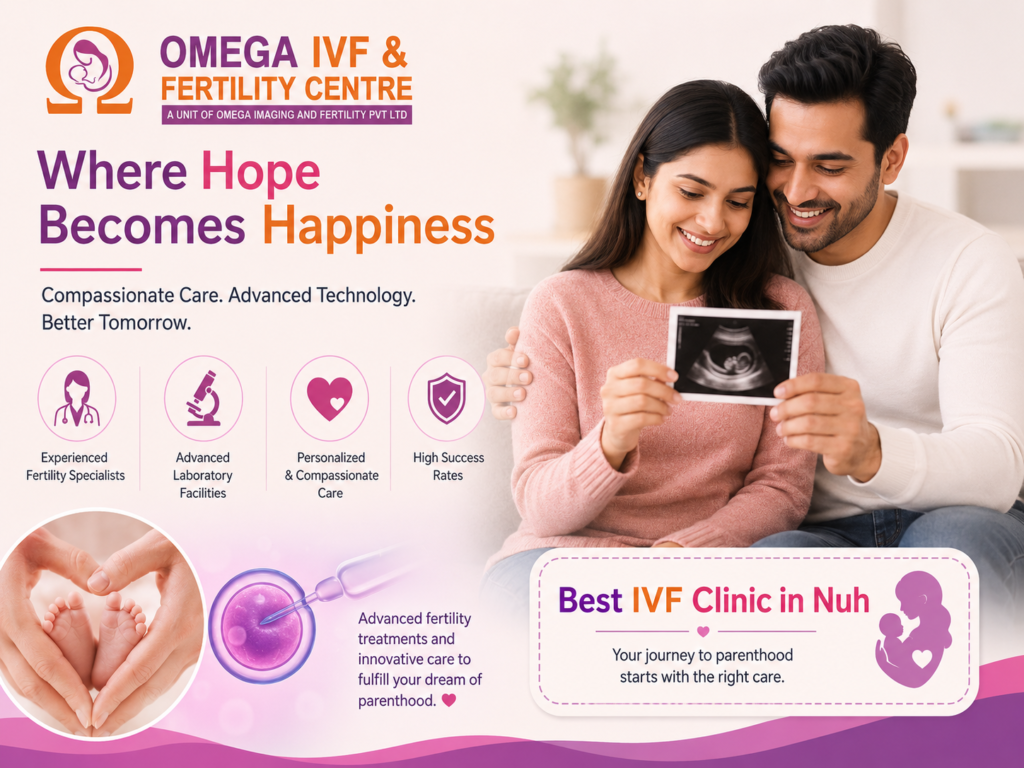
If you are searching for the Best IVF Clinic in Nuh, choosing the right fertility center can be one of the most important decisions on your journey toward parenthood. Infertility affects millions of couples worldwide and can create emotional, physical, and psychological challenges. However, with advancements in reproductive medicine and fertility treatments, many couples who once struggled to conceive are now successfully achieving their dream of becoming parents.
The Best IVF Clinic in Nuh combines advanced fertility technology, experienced reproductive specialists, modern laboratory facilities, and compassionate patient care to provide comprehensive fertility solutions. From initial fertility evaluations to advanced IVF procedures, patients receive personalized treatment plans designed to maximize success rates while ensuring comfort and emotional support throughout the process.
Modern fertility care is no longer limited to medical procedures alone. Today’s leading fertility centers focus on holistic reproductive healthcare by addressing both the physical and emotional aspects of infertility. Through expert guidance, transparent communication, and individualized treatment strategies, couples can move forward with confidence and hope.
Whether infertility is caused by ovulation disorders, male infertility, hormonal imbalances, age-related fertility decline, endometriosis, blocked fallopian tubes, or unexplained infertility, the Best IVF Clinic in Nuh offers advanced treatment options that help improve the chances of conception and healthy pregnancy outcomes.
Understanding Reproductive Health and Fertility
Reproductive health plays a vital role in a couple’s ability to conceive naturally. Successful conception depends on several factors working together, including healthy eggs, healthy sperm, proper hormonal balance, open fallopian tubes, and a healthy uterus capable of supporting pregnancy.
Infertility is generally defined as the inability to achieve pregnancy after one year of regular unprotected intercourse. For women over the age of 35, fertility evaluation is often recommended after six months of unsuccessful attempts to conceive.
Many fertility problems can be effectively treated when diagnosed early. Seeking timely consultation at the Best IVF Clinic in Nuh allows fertility specialists to identify underlying issues and recommend appropriate treatment options before fertility challenges become more complex.
Signs That May Indicate Fertility Problems
- Irregular menstrual cycles
- Absence of ovulation
- Recurrent miscarriages
- Severe menstrual pain
- Hormonal imbalances
- Low sperm count
- Erectile dysfunction
- Previous pelvic infections
- Endometriosis
- Delayed conception despite regular attempts
Early fertility assessment can significantly improve treatment outcomes and reduce unnecessary delays in achieving pregnancy.
Common Causes of Infertility
Infertility can affect both men and women equally. Understanding the underlying cause is essential for selecting the most effective treatment approach.
Ovulation Disorders
Ovulation disorders are among the most common causes of female infertility. Conditions such as:
- Polycystic Ovary Syndrome (PCOS)
- Thyroid disorders
- Pituitary gland abnormalities
- Hormonal imbalances
can interfere with the release of mature eggs from the ovaries, making conception difficult.
Male Factor Infertility
Male infertility contributes to approximately 40–50% of infertility cases. Common causes include:
- Low sperm count
- Poor sperm motility
- Abnormal sperm morphology
- Hormonal deficiencies
- Genetic conditions
- Varicocele
Advanced semen analysis and male fertility evaluations at the Best IVF Clinic in Nuh help identify these issues accurately.
Blocked Fallopian Tubes
Blocked or damaged fallopian tubes prevent sperm from reaching the egg or stop fertilized embryos from reaching the uterus. Causes may include:
- Pelvic inflammatory disease
- Previous surgeries
- Endometriosis
- Tubal infections
Endometriosis
Endometriosis occurs when tissue similar to the uterine lining grows outside the uterus. This condition can affect fertility by causing inflammation, scarring, and damage to reproductive organs.
Hormonal Imbalances
Hormones regulate ovulation, menstruation, sperm production, and pregnancy. Any disruption in hormonal balance can negatively affect fertility.
Age-Related Fertility Decline
As women age, egg quantity and quality naturally decline. Men may also experience age-related changes in sperm quality. Early fertility consultation can help couples understand their reproductive potential and available treatment options.
Unexplained Infertility
In some cases, fertility testing reveals no obvious cause despite difficulty conceiving. Advanced fertility treatments often help couples with unexplained infertility achieve successful pregnancies.
Why Advanced Reproductive Healthcare Matters
Modern reproductive medicine has transformed fertility treatment through innovative technologies and evidence-based medical practices. Advanced fertility care improves diagnosis, treatment precision, embryo development, and pregnancy outcomes.
Benefits of Advanced Reproductive Healthcare
- Accurate fertility diagnosis
- Personalized treatment plans
- Improved fertilization rates
- Better embryo quality
- Enhanced implantation success
- Reduced treatment complications
- Higher pregnancy success rates
- Comprehensive patient support
- Improved reproductive outcomes
- Better patient experience
Advanced fertility centers focus on delivering individualized care while utilizing the latest reproductive technologies to maximize treatment success.
Advanced Fertility Treatments Available
In Vitro Fertilization (IVF)
IVF is one of the most successful fertility treatments available today. During IVF:
- Ovaries are stimulated to produce multiple eggs.
- Eggs are retrieved through a minimally invasive procedure.
- Eggs are fertilized with sperm in a laboratory.
- Healthy embryos are developed and monitored.
- Selected embryos are transferred into the uterus.
IVF is commonly recommended for:
- Blocked fallopian tubes
- Severe male infertility
- Endometriosis
- Unexplained infertility
- Advanced maternal age
Intrauterine Insemination (IUI)
Intrauterine Insemination (IUI) is a simple, safe, and minimally invasive fertility treatment that helps increase the chances of pregnancy. During the procedure, a specially prepared and concentrated sperm sample is placed directly into the uterus around the time of ovulation. This allows the sperm to travel a shorter distance to reach the egg, improving the likelihood of fertilization. IUI is often recommended for couples experiencing mild male infertility, unexplained infertility, cervical factor infertility, or ovulation-related issues. Compared to IVF, IUI is less complex, more affordable, and requires minimal recovery time.
Intracytoplasmic Sperm Injection (ICSI)
Intracytoplasmic Sperm Injection (ICSI) is an advanced laboratory technique commonly used as part of the IVF process, especially in cases of male infertility. During ICSI, a highly skilled embryologist selects a single healthy sperm and injects it directly into a mature egg using specialized microscopic equipment. This technique significantly improves fertilization rates when sperm count is low, sperm movement is poor, or sperm quality is compromised. ICSI has helped many couples overcome severe male fertility challenges and achieve successful pregnancies.
Embryo Freezing (Cryopreservation)
Embryo freezing, also known as cryopreservation, is a fertility preservation technique that allows healthy embryos to be safely frozen and stored for future use. Advanced freezing methods help maintain embryo quality and survival rates even after long-term storage. Embryo freezing offers flexibility for patients who may wish to delay pregnancy, preserve fertility before medical treatments, or use additional embryos in future IVF cycles without undergoing another egg retrieval procedure.
Benefits of Embryo Freezing:
- Fertility preservation for future family planning
- Opportunity for additional IVF attempts
- Reduced need for repeated ovarian stimulation
- Cost-effective option for future treatment cycles
- Increased flexibility in family-building decisions
Egg Freezing
Egg freezing is an advanced fertility preservation option that allows women to store their eggs for future use. This treatment is especially beneficial for women who wish to delay pregnancy due to personal, professional, or medical reasons. The eggs are collected, frozen using advanced cryopreservation techniques, and stored until the patient is ready to pursue pregnancy. Egg freezing helps preserve reproductive potential and provides greater flexibility in family planning.
Women May Consider Egg Freezing If They:
- Want to delay pregnancy for career or personal reasons
- Have a family history of early menopause
- Are undergoing cancer treatment
- Wish to preserve fertility before certain medical procedures
- Are not yet ready to start a family
Genetic Testing (PGT)
Preimplantation Genetic Testing (PGT) is an advanced reproductive technology used to evaluate embryos for chromosomal abnormalities before embryo transfer. This screening helps fertility specialists identify healthy embryos with the highest potential for successful implantation and pregnancy. PGT can reduce the risk of genetic disorders, improve IVF success rates, and lower the chances of miscarriage caused by chromosomal abnormalities.
Benefits of PGT Include:
- Improved embryo selection
- Higher implantation success rates
- Reduced miscarriage risk
- Lower chance of genetic disorders
- Increased confidence during fertility treatment
At the Best IVF Clinic in Nuh, advanced genetic testing technologies help provide safer and more effective fertility treatment outcomes for eligible patients.
Blastocyst Culture
Blastocyst culture is an advanced laboratory process in which embryos are allowed to grow for approximately five to six days after fertilization before being transferred into the uterus. During this period, embryologists carefully monitor embryo development and select the strongest embryos with the highest implantation potential. Because blastocysts have reached a more advanced stage of development, transferring them often improves pregnancy success rates and helps fertility specialists make more informed embryo selection decisions.
Advantages of Blastocyst Culture:
- Better assessment of embryo quality
- Higher implantation potential
- Improved pregnancy success rates
- More accurate embryo selection
- Reduced likelihood of transferring non-viable embryos
For couples receiving treatment at the Best IVF Clinic in Nuh, advanced techniques such as IUI, ICSI, embryo freezing, egg freezing, PGT, and blastocyst culture provide comprehensive fertility solutions designed to maximize success rates while supporting long-term reproductive goals. These modern reproductive technologies have transformed fertility care and continue to help thousands of couples achieve their dream of parenthood.
The IVF Treatment Process: A Step-by-Step Guide to Achieving Parenthood
In Vitro Fertilization (IVF) is one of the most successful and widely used fertility treatments available today. Understanding each stage of the IVF process helps patients feel more prepared, confident, and comfortable throughout their fertility journey. At the Best IVF Clinic in Nuh, experienced fertility specialists guide patients through every step while providing personalized care and continuous support to maximize the chances of a successful pregnancy.
Step 1: Initial Consultation
The IVF journey begins with a detailed consultation with a fertility specialist. This first appointment is extremely important because it helps doctors understand the patient’s overall reproductive health and identify possible causes of infertility.
During the consultation, the fertility specialist reviews:
- Medical history
- Reproductive history
- Previous pregnancies or miscarriages
- Menstrual cycle patterns
- Lifestyle habits
- Existing medical conditions
- Previous fertility treatments
The doctor also discusses the couple’s fertility goals, answers questions, and explains available treatment options. This personalized approach helps create a treatment plan that is tailored to the patient’s specific needs.
Benefits of the Initial Consultation
- Identifies fertility challenges early
- Helps create a personalized treatment plan
- Provides clarity about treatment options
- Builds confidence and trust between patients and specialists
Step 2: Fertility Testing
After the initial consultation, a series of diagnostic tests are performed to evaluate fertility health and determine the most appropriate treatment strategy.
These evaluations may include:
Hormone Testing
Blood tests measure important reproductive hormones that regulate ovulation, egg production, and fertility.
Ultrasound Scans
Ultrasound imaging helps assess ovarian health, uterine structure, and follicle development.
Semen Analysis
A semen analysis evaluates sperm count, movement (motility), shape (morphology), and overall sperm quality.
Ovarian Reserve Testing
This test measures the number and quality of remaining eggs, helping specialists determine reproductive potential.
Uterine Evaluation
The uterus is examined to identify fibroids, polyps, scar tissue, or structural abnormalities that may affect implantation.
The results of these tests allow fertility specialists at the Best IVF Clinic in Nuh to develop a customized treatment plan designed to improve pregnancy success rates.
Step 3: Ovarian Stimulation
In a natural menstrual cycle, a woman usually produces only one mature egg. During IVF treatment, fertility medications are used to stimulate the ovaries to produce multiple eggs.
Producing multiple eggs increases the chances of obtaining healthy embryos for transfer.
During Ovarian Stimulation:
- Hormonal medications are administered.
- Treatment usually lasts 8–14 days.
- Egg development is carefully monitored.
- Medication doses may be adjusted if necessary.
The goal is to obtain several mature eggs while maintaining patient safety and comfort.
Step 4: Monitoring
Regular monitoring is a critical part of the IVF process. Fertility specialists closely observe how the ovaries respond to medication and track egg development.
Monitoring typically includes:
Ultrasound Examinations
These scans measure follicle size and monitor ovarian response.
Blood Tests
Blood tests evaluate hormone levels such as estrogen and progesterone.
Follicle Assessment
Specialists determine when the eggs have reached the optimal stage of maturity.
Careful monitoring helps ensure the best timing for egg retrieval and improves treatment success rates.
Step 5: Egg Retrieval
Once the eggs have matured, a procedure known as egg retrieval is performed.
Egg retrieval is a minimally invasive outpatient procedure that typically takes 20–30 minutes.
During Egg Retrieval:
- Mild sedation or anesthesia is provided.
- A thin needle is guided through the vaginal wall using ultrasound technology.
- Mature eggs are collected from the ovaries.
- Patients usually return home the same day.
Most women experience only mild discomfort and recover quickly after the procedure.
Step 6: Fertilization
After egg retrieval, the collected eggs are transferred to a specialized embryology laboratory where fertilization takes place.
Two fertilization methods may be used:
Conventional IVF
Eggs and sperm are placed together in a laboratory dish, allowing fertilization to occur naturally.
Intracytoplasmic Sperm Injection (ICSI)
A single healthy sperm is injected directly into an egg to improve fertilization, particularly in cases of male infertility.
The fertilized eggs are carefully monitored to determine which develop into healthy embryos.
Step 7: Embryo Development
Following fertilization, embryos are cultured in highly controlled laboratory conditions.
Embryologists carefully evaluate:
- Cell division
- Growth patterns
- Embryo quality
- Developmental progress
Embryos are typically monitored for 3 to 5 days. The healthiest embryos are selected based on their development and implantation potential.
Advanced laboratories at the Best IVF Clinic in Nuh use modern embryo monitoring systems to support optimal embryo growth and improve pregnancy outcomes.
Step 8: Embryo Transfer
Embryo transfer is one of the most important stages of IVF treatment.
During this procedure:
- The healthiest embryo or embryos are selected.
- A thin, flexible catheter is used to place the embryo into the uterus.
- The procedure is simple, painless, and does not require anesthesia.
Benefits of Embryo Transfer
- Quick procedure
- No surgical incision
- Minimal discomfort
- Rapid recovery
After the transfer, patients receive instructions regarding medications, activity levels, and follow-up care to support implantation.
Step 9: Pregnancy Testing
Approximately 10–14 days after embryo transfer, a blood test known as a Beta hCG test is performed.
This test measures pregnancy hormone levels and confirms whether implantation has occurred successfully.
If the Test is Positive:
- Additional blood tests may be scheduled.
- Early pregnancy ultrasounds are performed.
- Hormonal support medications may continue.
- Ongoing monitoring ensures healthy pregnancy development.
If the Test is Negative:
- Specialists review the treatment cycle.
- Future treatment options are discussed.
- A revised fertility strategy may be developed.
The fertility team at the Best IVF Clinic in Nuh continues to provide support and guidance regardless of the outcome.
Benefits of Understanding the IVF Process
Understanding every stage of IVF helps patients feel informed and empowered throughout treatment.
Key Benefits Include:
- Reduced anxiety and uncertainty
- Better treatment preparation
- Improved communication with fertility specialists
- Increased confidence in decision-making
- Enhanced treatment experience
- Greater emotional readiness
The IVF journey requires patience, commitment, and expert medical guidance. By choosing the Best IVF Clinic in Nuh, couples gain access to advanced fertility technology, experienced reproductive specialists, and compassionate patient care that can significantly improve their chances of achieving a successful pregnancy and fulfilling their dream of parenthood.
Why Choose the Best IVF Clinic in Nuh?
Selecting the right fertility center significantly impacts treatment outcomes and patient experience.
Experienced Fertility Specialists
Highly qualified fertility experts provide:
- Accurate diagnosis
- Personalized treatment plans
- Advanced reproductive care
- Continuous patient support
Advanced Laboratory Technology
Modern embryology laboratories feature:
- Advanced incubators
- Embryo monitoring systems
- Strict quality control protocols
- State-of-the-art equipment
Personalized Fertility Care
Every patient receives individualized treatment based on:
- Age
- Fertility diagnosis
- Medical history
- Family-building goals
Ethical and Transparent Treatment
The Best IVF Clinic in Nuh prioritizes:
- Honest communication
- Transparent pricing
- Ethical medical practices
- Realistic expectations
Comprehensive Support Services
Patients benefit from:
- Fertility counseling
- Nutritional guidance
- Emotional support
- Pregnancy monitoring
- Follow-up care
High Success Rates
Success is supported through:
- Advanced technology
- Skilled specialists
- Personalized treatment protocols
- Continuous monitoring
Lifestyle Habits That Support Fertility
Healthy lifestyle choices can improve fertility and enhance treatment outcomes.
Eat a Nutrient-Rich Diet
A fertility-friendly diet should include:
- Fresh fruits
- Green leafy vegetables
- Whole grains
- Lean proteins
- Healthy fats
- Antioxidant-rich foods
Exercise Regularly
Moderate exercise helps:
- Improve circulation
- Maintain healthy weight
- Balance hormones
- Reduce stress
Manage Stress Effectively
Stress management techniques include:
- Yoga
- Meditation
- Deep breathing exercises
- Counseling
- Mindfulness practices
Avoid Smoking and Alcohol
Smoking and excessive alcohol consumption can negatively affect:
- Egg quality
- Sperm quality
- Hormonal balance
- Pregnancy outcomes
Maintain a Healthy Weight
Both obesity and being underweight can impact fertility and reduce treatment success rates.
Get Adequate Sleep
Quality sleep supports hormonal regulation and overall reproductive health.
Importance of Early Fertility Consultation
Many couples continue trying to conceive naturally for several years before seeking professional fertility help. While patience is important, delaying fertility evaluation can sometimes reduce the chances of successful treatment, especially as age-related fertility decline progresses. Early consultation with fertility specialists allows potential reproductive issues to be identified and treated at an earlier stage, often leading to better outcomes. For couples searching for the Best IVF Clinic in Nuh, timely fertility assessment can be the first step toward achieving a healthy pregnancy and building a family.
Faster Diagnosis
One of the biggest advantages of early fertility consultation is the ability to identify fertility problems before they become more complicated. Infertility can result from various factors, including ovulation disorders, blocked fallopian tubes, endometriosis, hormonal imbalances, low sperm count, or unexplained fertility issues.
Through comprehensive fertility testing, specialists can accurately determine the underlying cause of infertility and recommend appropriate treatment options. Early diagnosis helps prevent unnecessary delays and allows patients to begin treatment sooner, increasing the likelihood of successful conception.
Benefits of Early Diagnosis:
- Identifies fertility problems quickly
- Detects underlying medical conditions
- Prevents fertility issues from worsening
- Enables timely treatment planning
- Improves overall reproductive health management
Better Treatment Outcomes
Fertility treatment success often depends on how early reproductive issues are addressed. Conditions such as PCOS, endometriosis, hormonal disorders, and male infertility can often be managed more effectively when diagnosed early.
As age increases, egg quality and ovarian reserve naturally decline in women, while sperm quality may also decrease in men. Seeking help from the Best IVF Clinic in Nuh at the right time allows fertility specialists to implement appropriate treatment strategies before fertility declines further.
How Early Treatment Improves Outcomes:
- Higher chances of natural conception
- Improved IVF and IUI success rates
- Better egg and sperm quality preservation
- Reduced treatment complexity
- Increased likelihood of a healthy pregnancy
Timely intervention often leads to shorter treatment durations and more successful reproductive outcomes.
Reduced Emotional Stress
Infertility can be emotionally overwhelming for many couples. Months or years of unsuccessful attempts to conceive often lead to frustration, anxiety, disappointment, and uncertainty. Not knowing the reason behind fertility difficulties can create significant emotional strain and affect overall well-being.
An early fertility consultation provides answers, guidance, and reassurance. Understanding the cause of infertility helps patients feel more in control of their situation and reduces fear of the unknown.
Emotional Benefits of Early Consultation:
- Reduces uncertainty and confusion
- Provides professional guidance and support
- Helps set realistic expectations
- Improves confidence in treatment decisions
- Offers emotional reassurance during the fertility journey
Many fertility centers also provide counseling services and emotional support programs to help patients cope with the psychological challenges of infertility.
Improved Family Planning
Early fertility evaluation provides valuable information about reproductive health, fertility potential, and future family-building options. This information enables couples to make informed decisions regarding pregnancy timing, fertility preservation, and treatment planning.
For individuals who may wish to delay parenthood, fertility specialists can discuss options such as egg freezing, embryo freezing, and fertility preservation strategies. Understanding reproductive health at an early stage helps patients plan for the future with greater confidence.
Benefits for Family Planning:
- Better understanding of fertility potential
- Informed reproductive decisions
- Opportunity for fertility preservation
- Greater flexibility in family-building plans
- Improved preparation for future pregnancies
For couples considering fertility treatment, consulting the Best IVF Clinic in Nuh early can provide the knowledge, support, and medical guidance needed to make informed choices about their reproductive future.
Why Early Fertility Consultation Matters
Early fertility consultation is not only about diagnosing infertility—it is about protecting reproductive health and maximizing future opportunities for parenthood. By seeking expert advice sooner rather than later, couples can benefit from faster diagnosis, improved treatment outcomes, reduced emotional stress, and better family-planning options.
The Best IVF Clinic in Nuh offers comprehensive fertility evaluations, advanced diagnostic testing, personalized treatment plans, and compassionate patient care to help couples navigate their fertility journey with confidence. Taking action early can significantly improve the chances of achieving a successful pregnancy and turning the dream of parenthood into reality.
Conclusion
Infertility can be a challenging and emotional journey, but modern reproductive healthcare has transformed the possibilities available to couples seeking parenthood. Through advanced fertility treatments, innovative reproductive technologies, personalized care plans, and compassionate support, many fertility challenges can be successfully overcome.
Choosing the Best IVF Clinic in Nuh means gaining access to experienced fertility specialists, advanced laboratory facilities, comprehensive reproductive services, and patient-centered care. From fertility evaluation and diagnosis to IVF treatment and pregnancy support, every step is designed to maximize success while ensuring comfort and confidence throughout the journey.
With expert reproductive healthcare, transparent communication, and high success rates, couples can move forward with renewed hope and a greater chance of achieving their dream of building a family.
Frequently Asked Questions (FAQs)
1. What is IVF Treatment?
In Vitro Fertilization (IVF) is one of the most advanced and successful fertility treatments available today. During the IVF process, mature eggs are collected from the ovaries and fertilized with sperm in a highly specialized laboratory. Once fertilization occurs, the resulting embryos are carefully monitored by embryologists, and the healthiest embryo is transferred into the uterus to achieve pregnancy. IVF is commonly recommended for couples facing infertility due to blocked fallopian tubes, ovulation disorders, male infertility, unexplained infertility, or age-related fertility decline.
2. Who Should Seek Fertility Treatment?
Couples who have been trying to conceive naturally without success may benefit from a fertility evaluation. Women under the age of 35 are generally advised to seek medical advice after one year of regular unprotected intercourse, while women over 35 should consider fertility consultation after six months. Individuals with known reproductive health conditions such as PCOS, endometriosis, irregular menstrual cycles, or male fertility issues should seek evaluation even sooner. Early consultation at the Best IVF Clinic in Nuh can help identify fertility challenges and improve treatment outcomes.
3. Is IVF Treatment Safe?
Yes, IVF is considered a safe and well-established fertility treatment that has helped millions of couples worldwide achieve successful pregnancies. Modern IVF procedures follow strict medical protocols and quality standards to ensure patient safety throughout the treatment process. Fertility specialists carefully monitor every stage of treatment, from ovarian stimulation to embryo transfer, minimizing risks and maximizing success rates.
4. What Is the Success Rate of IVF?
IVF success rates vary from patient to patient and depend on several important factors. These include the woman’s age, egg quality, sperm health, embryo quality, underlying fertility diagnosis, and overall reproductive health. Generally, younger women tend to have higher success rates due to better egg quality. Advanced fertility technologies and personalized treatment plans offered by the Best IVF Clinic in Nuh can significantly improve the chances of achieving a successful pregnancy.
5. Can Male Infertility Be Treated?
Yes, many forms of male infertility can be successfully treated using modern reproductive technologies and medical treatments. Fertility specialists may recommend treatments such as medications, hormone therapy, lifestyle modifications, surgical sperm retrieval, or advanced procedures like Intracytoplasmic Sperm Injection (ICSI). Comprehensive male fertility evaluations help identify the underlying cause and determine the most effective treatment approach.
6. How Long Does an IVF Cycle Take?
A complete IVF cycle typically takes between four and six weeks. The process includes fertility testing, ovarian stimulation, monitoring appointments, egg retrieval, fertilization, embryo development, embryo transfer, and pregnancy testing. The exact duration may vary depending on individual treatment protocols and how the patient responds to fertility medications.
7. Is Fertility Treatment Painful?
Most fertility treatments involve minimal discomfort and are designed to ensure patient comfort and safety. Procedures such as ultrasounds, blood tests, and embryo transfers are generally well tolerated. Egg retrieval is performed under sedation or anesthesia, making the procedure relatively comfortable. Fertility specialists and medical teams take every precaution to minimize discomfort throughout the treatment journey.
8. Can PCOS Affect Fertility?
Yes, Polycystic Ovary Syndrome (PCOS) is one of the most common causes of female infertility. PCOS can disrupt normal ovulation, making it difficult for eggs to mature and be released regularly. As a result, conception may become challenging. Fortunately, fertility medications, lifestyle changes, and advanced fertility treatments can help women with PCOS achieve successful pregnancies.
9. Does Age Affect Fertility?
Age is one of the most significant factors affecting fertility. Women are born with a finite number of eggs, and both the quantity and quality of these eggs decline over time. Fertility typically begins to decrease after age 30 and declines more rapidly after age 35. Male fertility may also be affected by age, although usually to a lesser extent. Early consultation with fertility specialists can help patients understand their reproductive potential and available treatment options.
10. What Tests Are Performed During Fertility Evaluation?
A comprehensive fertility evaluation helps identify the causes of infertility and guides treatment planning. Common diagnostic tests may include:
- Hormone level assessments
- Pelvic ultrasound examinations
- Ovarian reserve testing
- Semen analysis
- Uterine cavity evaluation
- Fallopian tube assessment
- Reproductive health screenings
These tests provide valuable information about reproductive function and help fertility specialists create personalized treatment plans.
11. Can Lifestyle Changes Improve Fertility?
Yes, healthy lifestyle habits can play an important role in improving fertility and supporting treatment success. Maintaining a healthy weight, eating a balanced diet, exercising regularly, managing stress, getting sufficient sleep, and avoiding smoking and excessive alcohol consumption can positively impact reproductive health. Many fertility specialists recommend lifestyle improvements alongside medical treatment to optimize fertility outcomes.
12. What Is ICSI?
Intracytoplasmic Sperm Injection (ICSI) is an advanced fertility procedure often used as part of IVF treatment. During ICSI, a highly skilled embryologist injects a single healthy sperm directly into a mature egg to achieve fertilization. This technique is especially beneficial for couples experiencing male infertility, including low sperm count, poor sperm motility, or abnormal sperm morphology. ICSI has helped many couples successfully achieve pregnancy when conventional fertilization methods were unsuccessful.
13. Is Embryo Freezing Safe?
Yes, embryo freezing, also known as cryopreservation, is a safe and highly effective fertility preservation technique. Advanced freezing methods allow embryos to be stored for many years while maintaining excellent survival rates after thawing. Frozen embryos can be used in future IVF cycles, providing flexibility and additional opportunities for pregnancy without undergoing another egg retrieval procedure.
14. When Should Couples Consult a Fertility Specialist?
Couples should consider consulting a fertility specialist if they are unable to conceive naturally within the recommended timeframe. Women under 35 are generally advised to seek help after one year of trying, while women over 35 should seek evaluation after six months. Individuals with irregular menstrual cycles, recurrent pregnancy loss, PCOS, endometriosis, or known male fertility issues should seek professional guidance as early as possible.
15. Why Choose the Best IVF Clinic in Nuh?
Choosing the Best IVF Clinic in Nuh provides access to advanced reproductive technology, experienced fertility specialists, modern embryology laboratories, personalized treatment plans, and compassionate patient care. A trusted fertility center focuses not only on achieving successful pregnancy outcomes but also on supporting patients emotionally throughout their fertility journey. With ethical practices, transparent communication, comprehensive fertility services, and a patient-centered approach, the Best IVF Clinic in Nuh helps couples move closer to their dream of parenthood with confidence, hope, and expert medical guidance.