
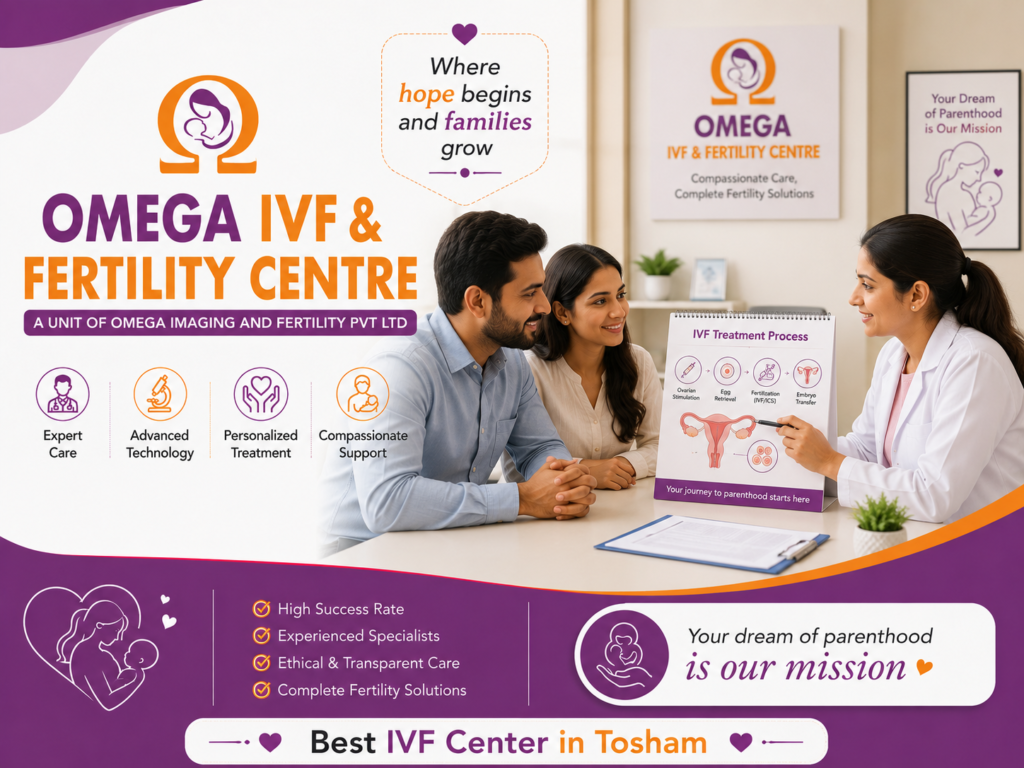
Starting a family is one of the most cherished dreams for many couples. However, for some, the path to parenthood can be filled with challenges and uncertainties. Fortunately, advancements in fertility care and reproductive medicine have made it possible for countless couples to overcome infertility and achieve successful pregnancies. Today, comprehensive fertility care includes advanced diagnostics, personalized treatment plans, emotional support, lifestyle guidance, and state-of-the-art reproductive technologies.
Whether a couple is facing difficulties conceiving naturally, recurrent miscarriages, male infertility, hormonal imbalances, or age-related fertility concerns, a holistic fertility approach can significantly improve their chances of success. Expert fertility specialists work closely with patients to identify the underlying causes of infertility and recommend the most effective treatment options.
For couples looking for trusted fertility services, selecting the Best IVF Center in Tosham can play a crucial role in achieving positive outcomes. A leading fertility center combines medical expertise, advanced technology, and compassionate patient care to support couples throughout their fertility journey.
Understanding Fertility Challenges
Infertility affects millions of couples worldwide and can impact both men and women. Medical experts generally define infertility as the inability to conceive after one year of regular, unprotected intercourse. Women over the age of 35 are often advised to seek fertility evaluation after six months of trying to conceive.
Common Causes of Female Infertility
- Polycystic Ovary Syndrome (PCOS)
- Ovulation Disorders
- Endometriosis
- Blocked Fallopian Tubes
- Hormonal Imbalances
- Age-Related Fertility Decline
- Uterine Abnormalities
Common Causes of Male Infertility
- Low sperm count
- Poor sperm motility
- Abnormal sperm morphology
- Hormonal disorders
- Genetic conditions
- Lifestyle and environmental factors
A comprehensive fertility evaluation helps specialists identify the root cause of infertility and create a customized treatment plan.
What Is Comprehensive Fertility Care?
Comprehensive fertility care is a patient-centered approach that addresses every aspect of reproductive health. Rather than focusing solely on fertility treatments, specialists evaluate medical history, lifestyle habits, emotional well-being, and future family goals.
Key components include:
- Detailed fertility assessments
- Advanced diagnostic testing
- Personalized treatment strategies
- Fertility preservation services
- Nutritional counseling
- Emotional and psychological support
- Advanced reproductive technologies
The primary goal is to provide complete care from diagnosis through pregnancy and beyond.
Importance of Early Fertility Assessment
Many couples postpone fertility evaluations due to misconceptions or lack of awareness. Early diagnosis can help identify fertility issues before they become more complex.
Benefits of Early Fertility Assessment
- Faster identification of fertility problems
- Improved treatment success rates
- Reduced emotional stress
- Access to more treatment options
- Better reproductive planning
The Best IVF Center in Tosham offers comprehensive fertility assessments that help couples make informed decisions about their reproductive health.
Advanced Fertility Diagnostic Services
Accurate diagnosis is the foundation of successful fertility treatment. Modern fertility centers use advanced diagnostic tools to evaluate reproductive health.
Female Fertility Testing
Female fertility testing plays a crucial role in identifying potential reproductive health issues and determining the most effective treatment approach. These diagnostic evaluations help fertility specialists assess ovarian function, hormonal balance, and the overall health of the reproductive system, providing valuable insights into a woman’s ability to conceive.
Hormonal Evaluation
Hormonal evaluation involves measuring key reproductive hormones that regulate the menstrual cycle, ovulation, and fertility. These tests help identify hormonal imbalances that may interfere with egg production, ovulation, or implantation, allowing specialists to recommend appropriate treatment options.
Ovarian Reserve Testing
Ovarian reserve testing assesses the quantity and quality of a woman’s remaining eggs. This evaluation helps determine reproductive potential and provides important information about how the ovaries may respond to fertility treatments. It is particularly beneficial for women planning pregnancy later in life or experiencing fertility challenges.
Ultrasound Scans
Ultrasound scans are commonly used to examine the ovaries, uterus, and other reproductive organs. This non-invasive imaging technique helps detect conditions such as ovarian cysts, fibroids, polyps, and structural abnormalities that may affect fertility. Ultrasound monitoring is also essential during fertility treatments to track follicle development and ovulation.
Hysteroscopy
Hysteroscopy is a minimally invasive procedure that allows specialists to examine the inside of the uterus using a thin, lighted instrument. It helps identify abnormalities such as uterine polyps, fibroids, scar tissue, or congenital uterine conditions that may impact implantation or pregnancy. Detecting and treating these issues can significantly improve fertility outcomes and increase the chances of a successful pregnancy.
Male Fertility Testing
Semen Analysis
A semen analysis evaluates:
- Sperm count
- Sperm motility
- Sperm morphology
- Semen volume
Hormonal Testing
Hormonal assessments help identify conditions affecting sperm production.
Genetic Screening
Genetic testing can reveal inherited conditions that may contribute to infertility.
Personalized Fertility Treatment Plans
Every couple’s fertility journey is unique. Fertility specialists develop individualized treatment plans based on:
- Age
- Medical history
- Fertility diagnosis
- Reproductive goals
- Previous treatment outcomes
Personalized care improves treatment effectiveness and enhances the overall patient experience.
Ovulation Induction and Fertility Medications
Women experiencing ovulation disorders may benefit from fertility medications designed to stimulate egg production.
Benefits of Ovulation Induction
- Improved ovulation
- Increased chances of conception
- Cost-effective treatment option
- Minimally invasive approach
Careful monitoring ensures safe and successful treatment outcomes.
Intrauterine Insemination (IUI)
Intrauterine Insemination (IUI) is a commonly recommended fertility treatment for:
- Mild male infertility
- Unexplained infertility
- Cervical factor infertility
During the procedure, specially prepared sperm is placed directly into the uterus to increase the likelihood of fertilization.
In Vitro Fertilization (IVF)
Understanding IVF
In Vitro Fertilization (IVF) is one of the most advanced and successful fertility treatments available today.
The IVF process typically includes:
- Ovarian stimulation
- Egg retrieval
- Laboratory fertilization
- Embryo development
- Embryo transfer
IVF has helped millions of couples worldwide achieve successful pregnancies and build families.
Advantages of IVF
- High success rates
- Effective treatment for multiple infertility causes
- Genetic testing opportunities
- Fertility preservation options
Many couples searching for the Best IVF Center in Tosham prefer clinics that offer advanced IVF technologies and experienced fertility specialists.
Advanced IVF Technologies
Modern fertility centers utilize advanced reproductive technologies to enhance fertilization, embryo development, and implantation outcomes. These innovative techniques help fertility specialists improve IVF success rates while providing personalized treatment solutions for couples facing infertility challenges.
Intracytoplasmic Sperm Injection (ICSI)
ICSI is a specialized IVF technique in which a single healthy sperm is injected directly into an egg. This procedure is particularly beneficial for cases involving male infertility and helps increase the chances of successful fertilization.
Blastocyst Culture
Blastocyst culture involves growing embryos in the laboratory for several days before transfer. This allows embryologists to select the healthiest embryos, improving implantation rates and increasing the likelihood of a successful pregnancy.
Time-Lapse Embryo Monitoring
Time-lapse embryo monitoring uses advanced imaging technology to continuously observe embryo development without disturbing the culture environment. This helps specialists identify the most viable embryos for transfer.
Laser-Assisted Hatching
Laser-assisted hatching is an advanced procedure that creates a small opening in the embryo’s outer layer, helping it implant more effectively within the uterine lining. This technique may improve pregnancy outcomes in selected IVF cases.
Benefits of Advanced IVF Technologies
- Improved fertilization rates
- Better embryo selection
- Enhanced implantation potential
- Increased IVF success rates
- Personalized fertility treatment
These advanced fertility technologies play a significant role in helping couples achieve their dream of parenthood through safe and effective IVF treatment.
Genetic Testing in Fertility Treatment
Genetic testing has become an important part of modern fertility treatment, helping specialists improve IVF outcomes and reduce the risk of inherited genetic conditions. By evaluating embryos before transfer, fertility experts can select the healthiest embryos, increasing the chances of a successful pregnancy and healthy childbirth.
Preimplantation Genetic Testing (PGT)
Preimplantation Genetic Testing (PGT) is an advanced screening procedure performed during the IVF process. It examines embryos for genetic abnormalities before they are transferred to the uterus. This technology helps identify chromosomal disorders and genetic conditions that may affect implantation, pregnancy success, or the health of the baby.
PGT is particularly beneficial for couples with a history of genetic disorders, recurrent pregnancy loss, multiple failed IVF cycles, or advanced maternal age.
Benefits of Preimplantation Genetic Testing (PGT)
- Improved embryo selection
- Higher implantation rates
- Reduced risk of miscarriage
- Better pregnancy outcomes
- Lower risk of genetic disorders
- Increased IVF success rates
- Greater confidence for prospective parents
Why Genetic Testing Matters in IVF
Genetic testing provides valuable insights into embryo health, allowing fertility specialists to make informed decisions during treatment. By selecting genetically healthy embryos, couples can improve their chances of achieving a successful pregnancy while reducing potential complications.
As part of comprehensive fertility care, advanced genetic testing helps create a more personalized and effective treatment plan, supporting couples on their journey toward parenthood.
Fertility Preservation Options
Fertility preservation allows individuals and couples to protect their future reproductive potential.
Egg Freezing
Women can freeze healthy eggs for future use.
Sperm Freezing
Men can preserve sperm for future fertility treatments.
Embryo Freezing
Frozen embryos provide flexibility for future family planning.
Emotional Support During Fertility Treatment
Infertility can affect emotional and mental well-being. Comprehensive fertility care includes emotional support services to help patients cope with stress and uncertainty.
Support Services Include
- Professional counseling
- Stress management programs
- Fertility support groups
- Educational resources
Emotional support empowers couples to navigate fertility treatment with confidence and resilience.
Nutrition and Lifestyle for Fertility Success
Healthy lifestyle habits can positively influence fertility outcomes and overall reproductive health.
Nutritional Recommendations
- Fresh fruits and vegetables
- Lean proteins
- Whole grains
- Healthy fats
- Adequate hydration
Lifestyle Improvements
- Regular physical activity
- Maintaining a healthy weight
- Avoiding smoking
- Limiting alcohol consumption
- Practicing stress management techniques
Choosing the Right Fertility Center
Selecting the right fertility clinic is one of the most important decisions in the fertility journey.
Factors to Consider
- Experienced fertility specialists
- Advanced reproductive technologies
- Personalized treatment plans
- Transparent communication
- Comprehensive patient support
- High success rates
The Best IVF Center in Tosham should offer a combination of medical excellence, advanced technology, ethical practices, and compassionate care.
Why Comprehensive Fertility Care Matters
A holistic fertility care approach addresses physical, emotional, and reproductive needs simultaneously.
Benefits of Comprehensive Fertility Care
- Higher treatment success rates
- Improved patient satisfaction
- Personalized treatment solutions
- Better reproductive health outcomes
- Enhanced emotional well-being
Comprehensive care ensures that couples receive the support and guidance they need throughout every stage of treatment.
Frequently Asked Questions (FAQs)
1. When should a couple seek fertility treatment?
Couples should consider consulting a fertility specialist if they have been trying to conceive for one year without success. Women over the age of 35 are generally advised to seek fertility evaluation after six months of unsuccessful attempts. Early diagnosis can help identify fertility issues and improve treatment outcomes.
2. What is the success rate of IVF treatment?
IVF success rates vary depending on several factors, including age, fertility diagnosis, egg and sperm quality, embryo health, and overall reproductive health. The Best IVF Center in Tosham provides personalized fertility assessments to help patients understand their chances of success and choose the most appropriate treatment plan.
3. Is IVF treatment painful?
Most IVF procedures involve minimal discomfort and are performed using advanced medical techniques. While some patients may experience mild side effects during ovarian stimulation or egg retrieval, fertility specialists carefully monitor the process to ensure patient safety and comfort.
4. How long does an IVF cycle take?
A standard IVF cycle typically takes between 4 to 6 weeks, beginning with ovarian stimulation and ending with embryo transfer. The exact timeline may vary depending on individual treatment protocols and patient response.
5. Can male infertility be treated successfully?
Yes, many causes of male infertility can be effectively managed through lifestyle modifications, medications, surgical procedures, and advanced fertility treatments such as IUI, IVF, and ICSI. Proper diagnosis is essential for selecting the most effective treatment approach.
6. What is the difference between IUI and IVF?
IUI (Intrauterine Insemination) involves placing specially prepared sperm directly into the uterus to increase the chances of fertilization. IVF (In Vitro Fertilization) involves fertilizing eggs in a laboratory and transferring healthy embryos into the uterus. IVF is generally recommended for more complex fertility conditions.
7. Can fertility treatments help older couples conceive?
Yes, modern fertility treatments have significantly improved pregnancy opportunities for older couples. Options such as IVF, donor eggs, embryo freezing, and advanced reproductive technologies can help overcome age-related fertility challenges and improve the likelihood of a successful pregnancy.
8. What lifestyle changes can improve fertility?
Healthy lifestyle habits can positively influence fertility and treatment outcomes. Maintaining a healthy weight, eating a nutritious diet, engaging in regular physical activity, avoiding smoking, limiting alcohol consumption, and managing stress are all important factors that support reproductive health.
9. Is fertility treatment safe?
Fertility treatments are generally safe when performed by experienced specialists using evidence-based medical protocols. Reputable fertility centers follow strict safety standards and closely monitor patients throughout the treatment process to minimize risks and maximize success.
10. Why choose the Best IVF Center in Tosham?
Choosing the Best IVF Center in Tosham provides access to experienced fertility specialists, advanced IVF technologies, comprehensive diagnostic services, personalized treatment plans, and compassionate patient care. A trusted fertility center focuses on improving success rates while supporting couples throughout every stage of their fertility journey.
11. What are the common signs of infertility?
Common signs of infertility may include irregular menstrual cycles, hormonal imbalances, recurrent pregnancy loss, painful periods, and difficulty conceiving despite regular unprotected intercourse. Men may experience issues related to sperm quality or reproductive health. A fertility evaluation can help determine the underlying cause.
12. How important is age in fertility treatment?
Age is one of the most important factors affecting fertility. As women age, egg quantity and quality naturally decline, which can impact pregnancy success rates. Early fertility assessment and timely treatment can significantly improve reproductive outcomes.
13. Can stress affect fertility?
While stress alone may not directly cause infertility, chronic stress can influence hormone levels, ovulation patterns, and overall well-being. Managing stress through healthy lifestyle practices, counseling, and emotional support can contribute to a more positive fertility journey.
14. What fertility tests are commonly recommended?
Fertility specialists may recommend hormone testing, ovarian reserve assessment, ultrasound scans, semen analysis, genetic screening, and other diagnostic procedures to evaluate reproductive health and identify fertility challenges.
15. How can I improve my chances of IVF success?
Improving IVF success often involves maintaining a healthy lifestyle, following medical advice, attending regular monitoring appointments, managing stress, and selecting a reputable fertility clinic with advanced reproductive technologies and experienced specialists.
Conclusion
Comprehensive Fertility Care for Every Couple represents the future of reproductive medicine. By combining advanced diagnostics, personalized treatment plans, innovative fertility technologies, and compassionate support, fertility specialists can help couples overcome even complex fertility challenges.
Every fertility journey is unique, and individualized care ensures that patients receive the most appropriate treatment for their specific needs. From fertility evaluations and IUI to advanced IVF procedures and genetic testing, modern fertility care provides multiple pathways toward successful parenthood.
For couples seeking trusted reproductive healthcare, choosing the Best IVF Center in Tosham can provide access to experienced fertility specialists, advanced medical technology, and patient-centered care. With the right guidance, support, and treatment, the dream of building a happy and healthy family can become a reality.